The bottle needs a more specific story
A whisky brand can make several expressions with different production and maturation choices. A useful introduction therefore begins with the particular bottle: its name, strength, stated cask information and any batch or release details.
LARK’s process account places considerable emphasis on wood and its relationship with Seppeltsfield. The producer describes using casks associated with fortified wine and a cask-seasoning program. That provides a line of enquiry, but it should not be treated as a complete specification for every LARK release.
Ask what the cask description means
A cask reference can tell you about a previous use, a stage of maturation or a finishing period. Ask which meaning applies to the expression you are considering. If the product information is brief, request the technical details rather than filling the gap with an assumption.
The distinction matters when comparing bottles. Two labels may both mention a fortified-wine influence while describing different processes. A useful comparison keeps the actual expression names beside the notes so the broad reputation of the producer does not substitute for the details.
Keep tasting language personal
Producer notes can point towards things to notice, but they are not a script you must reproduce. If you choose to taste, start with a small number of plain observations about aroma, texture and finish. Record uncertainty instead of inventing a precise flavour because it appears on the label.
A practical note might compare one expression with another: lighter or fuller in texture, more or less drying, a shorter or longer finish. Those relationships can be easier to remember than a crowded list of ingredients that are not literally present in the glass.
Separate history from current visiting information
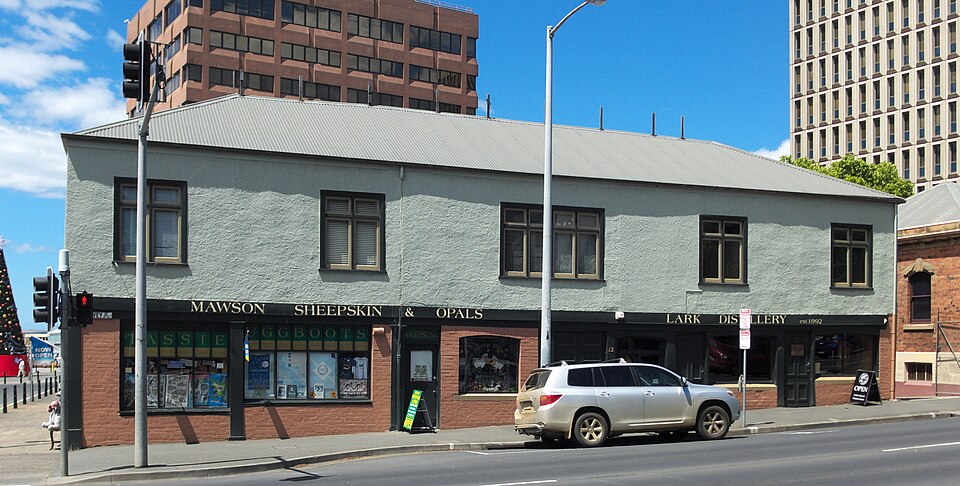
The accompanying photograph records LARK’s Davey Street frontage in Hobart in 2017. It is a historical image, not evidence of current opening hours, access or where a particular whisky is now produced. Use LARK’s current visitor information for those decisions.
A cask-led reading makes whisky more interesting because it gives the label a set of answerable questions. Which expression is this? What does its cask description mean? Which details are documented, and which are your own impressions? Keep those questions connected and the story becomes more useful than a string of superlatives.