Producers
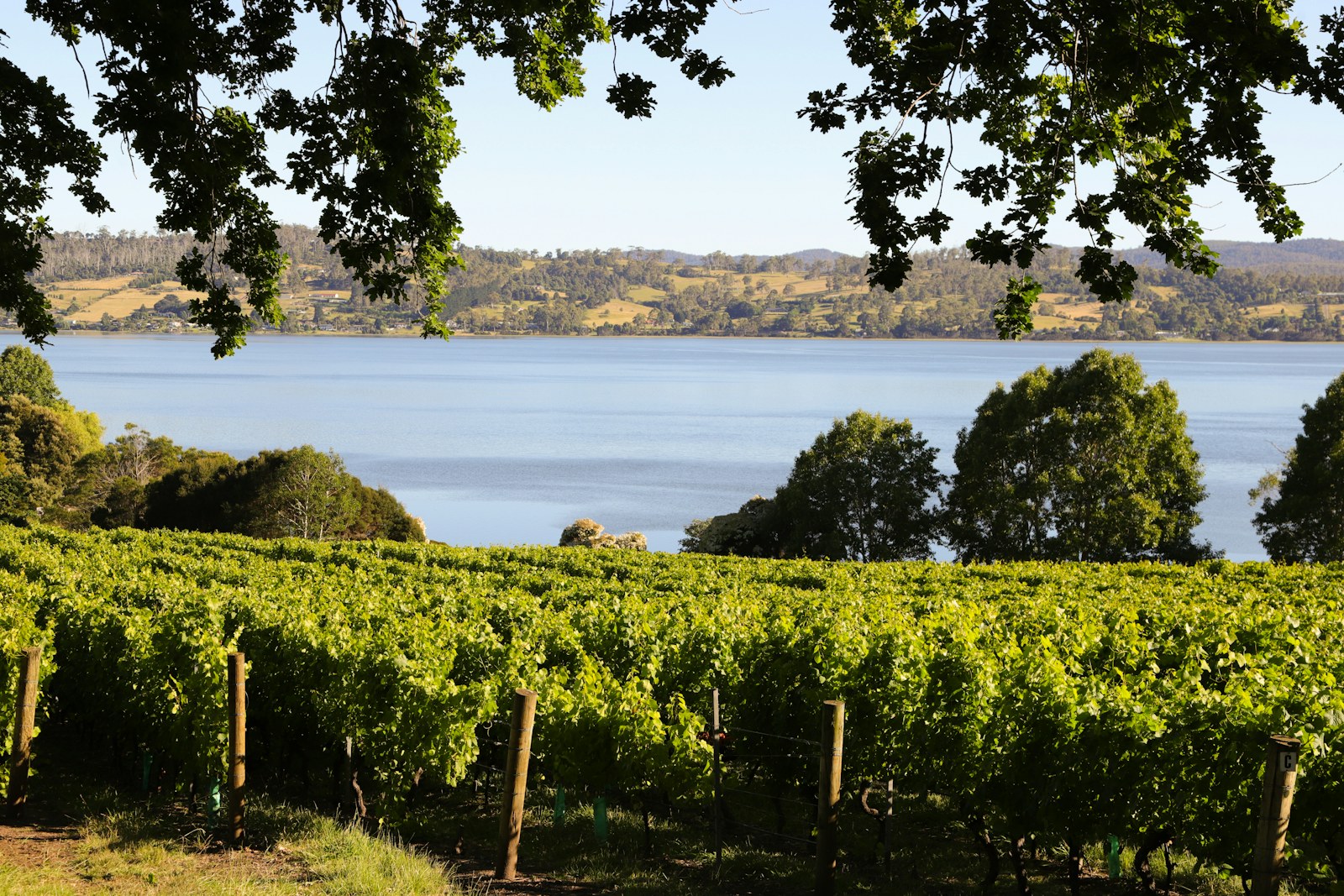
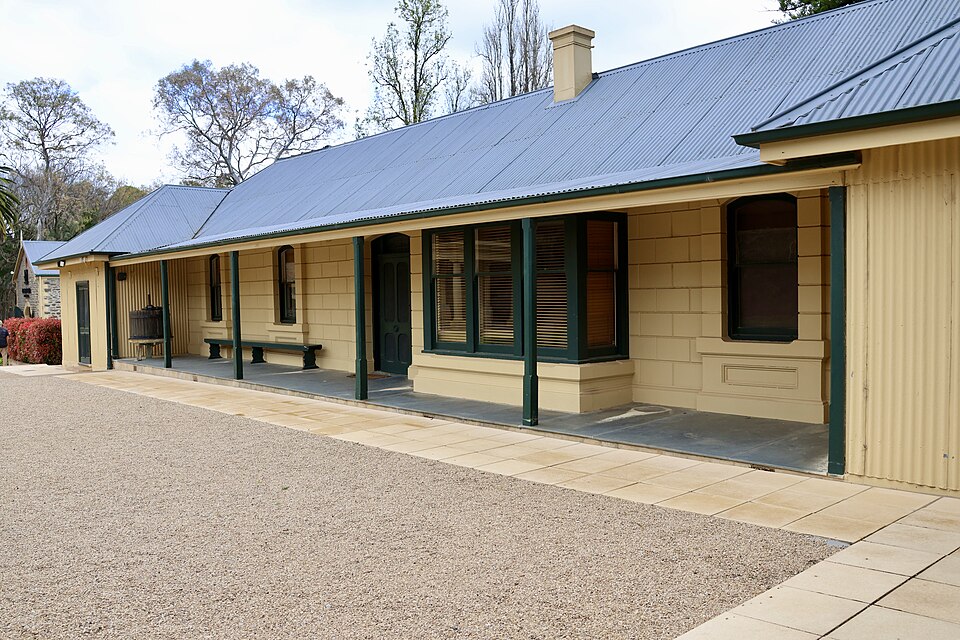
Plan a Seppeltsfield visit around the Centennial Cellar, the estate’s production history and JamFactory’s craft spaces, checking each experience separately.
Read story ↗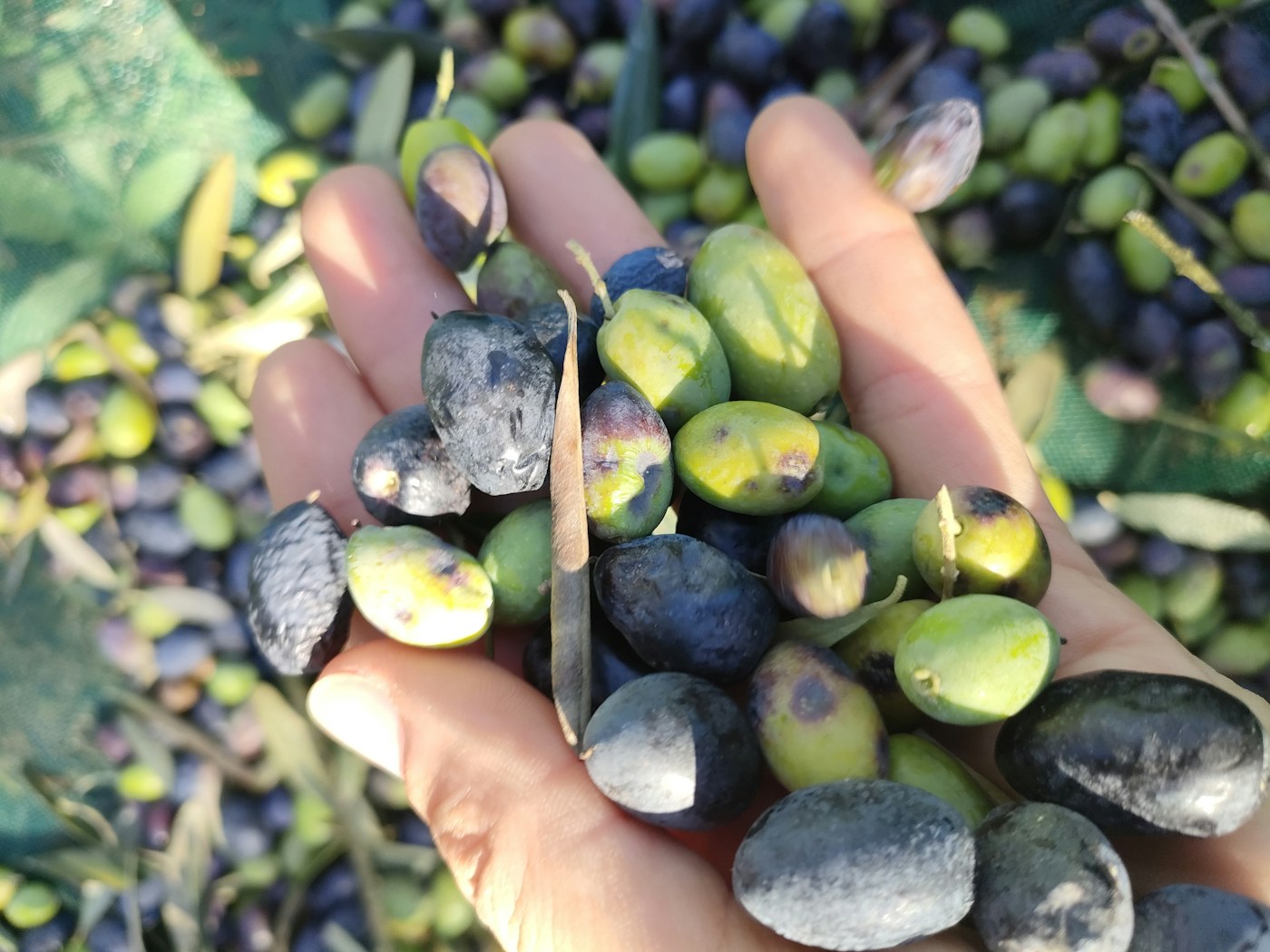
At the table
Read the harvest and best-before information, look beyond colour, and choose an olive-oil container that suits how you cook and store it.
Read story ↗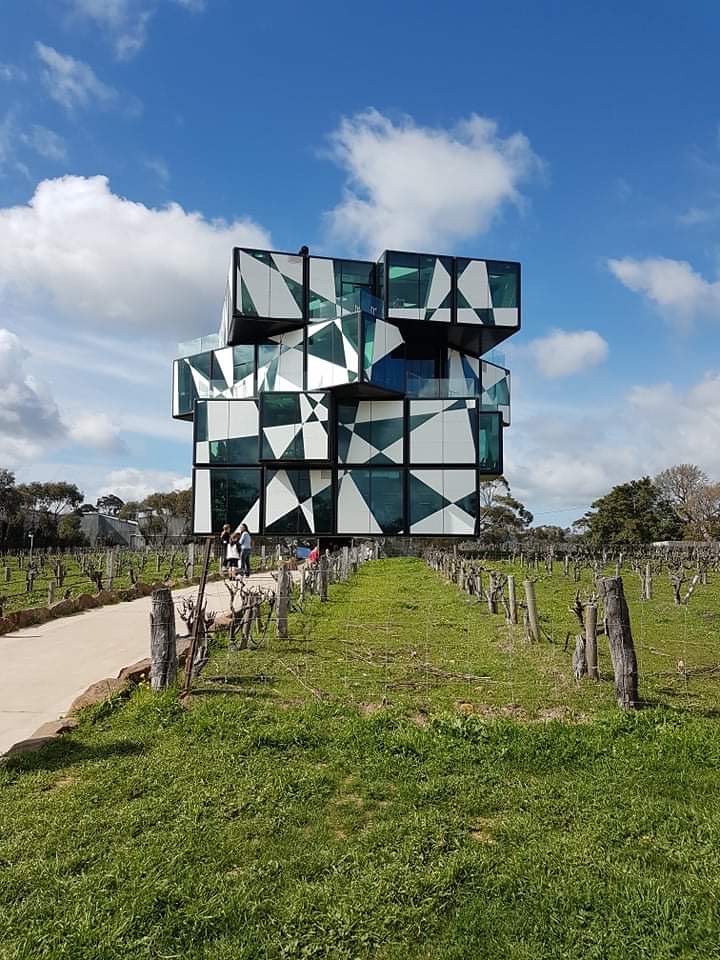
Wine stories
Understand McLaren Vale’s coastal setting, compare vineyard sites and choose a manageable cellar-door route with time for the landscape between stops.
Read story ↗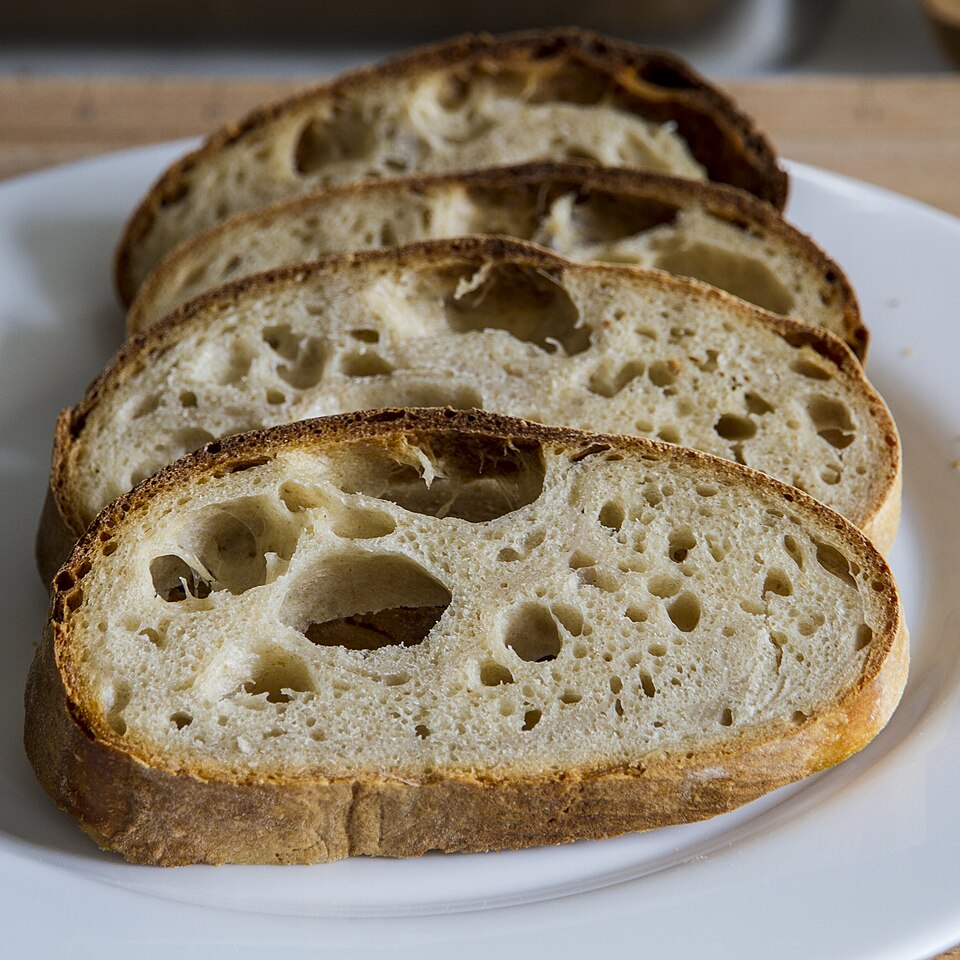
At the table
Calculate water as a percentage of flour, include the flour and water in sourdough starter, and use the result without treating it as a bread-quality score.
Read story ↗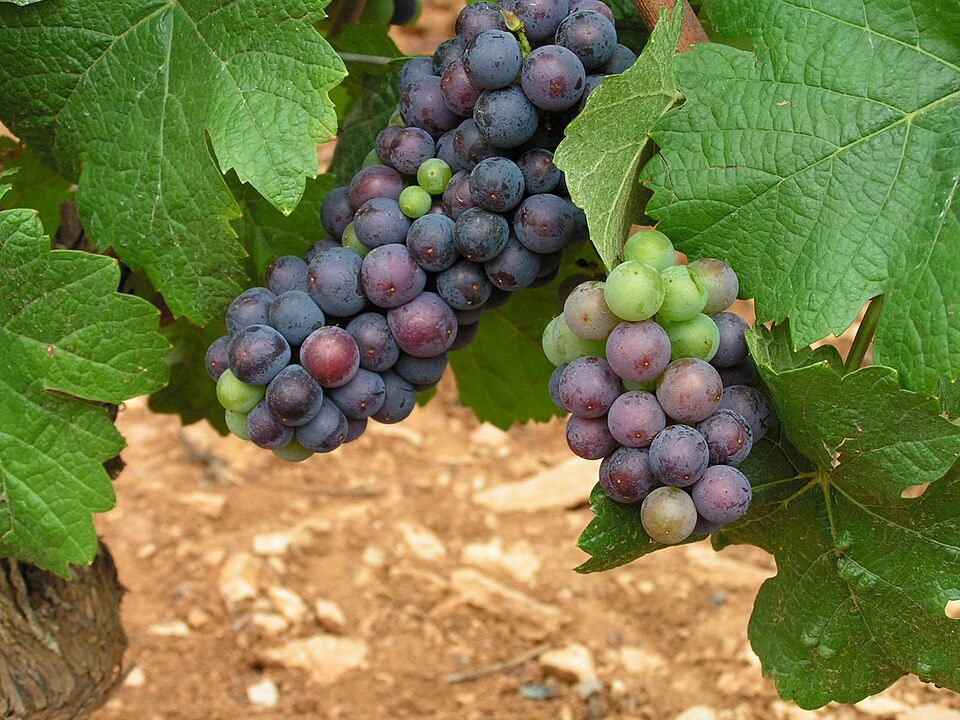
Wine guides
Read Pinot Noir through vineyard location, winemaking and the wine in your glass, with a simple framework for comparing two bottles.
Read story ↗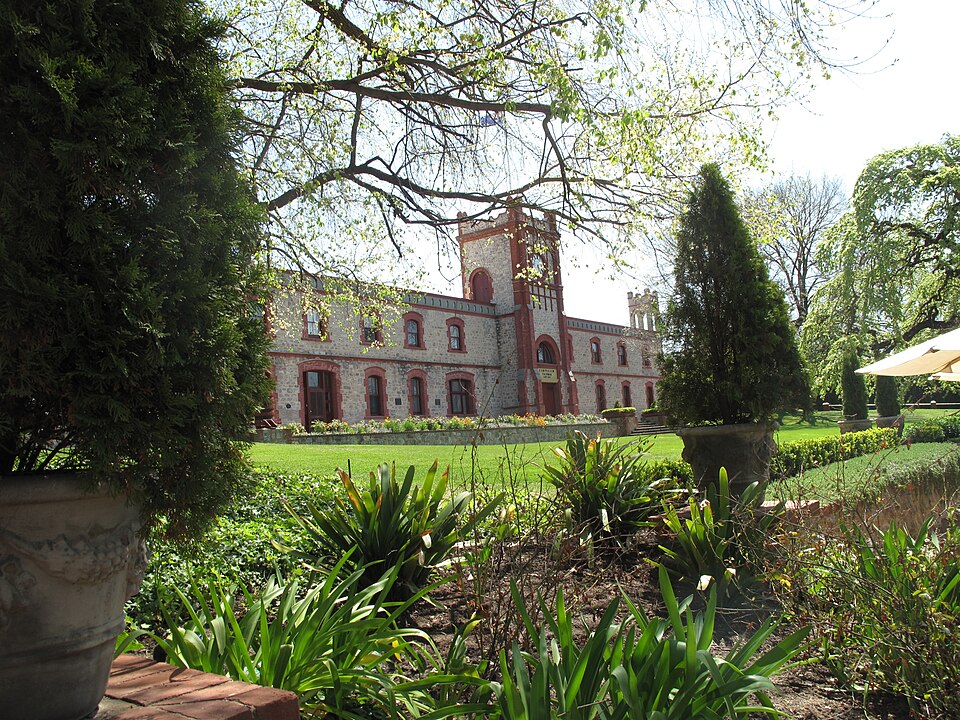
Producers
Explore Yalumba through its on-site cooperage and grapevine nursery, with useful questions to bring to a booked winery experience.
Read story ↗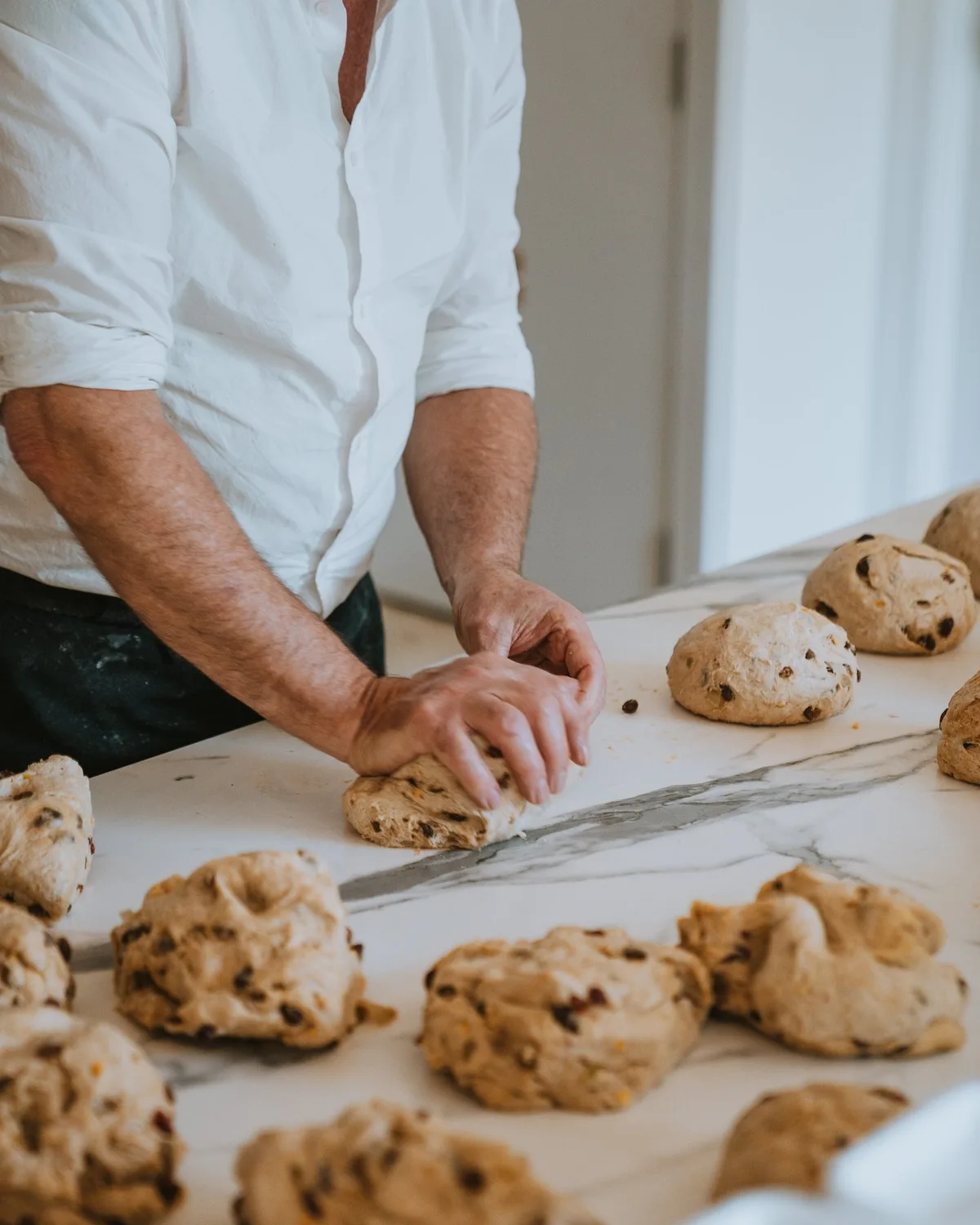
Hospitality
A photograph of dough being shaped gives Vessel Studio’s Proserpina project a direct connection to the work of the bakehouse.
Read story ↗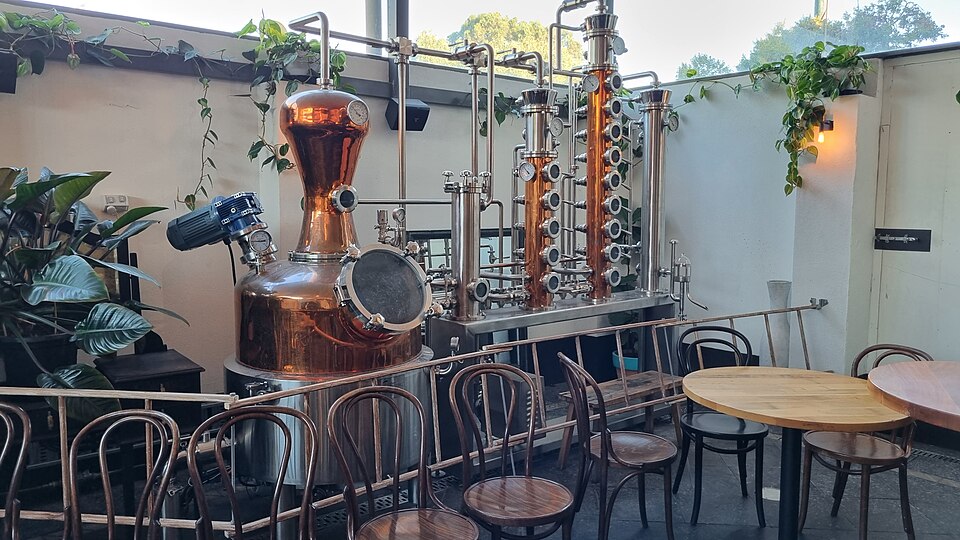
Producers
A table booking, a guided tasting and a class serve different interests. Plan a distillery visit around the experience, not just the brand name.
Read story ↗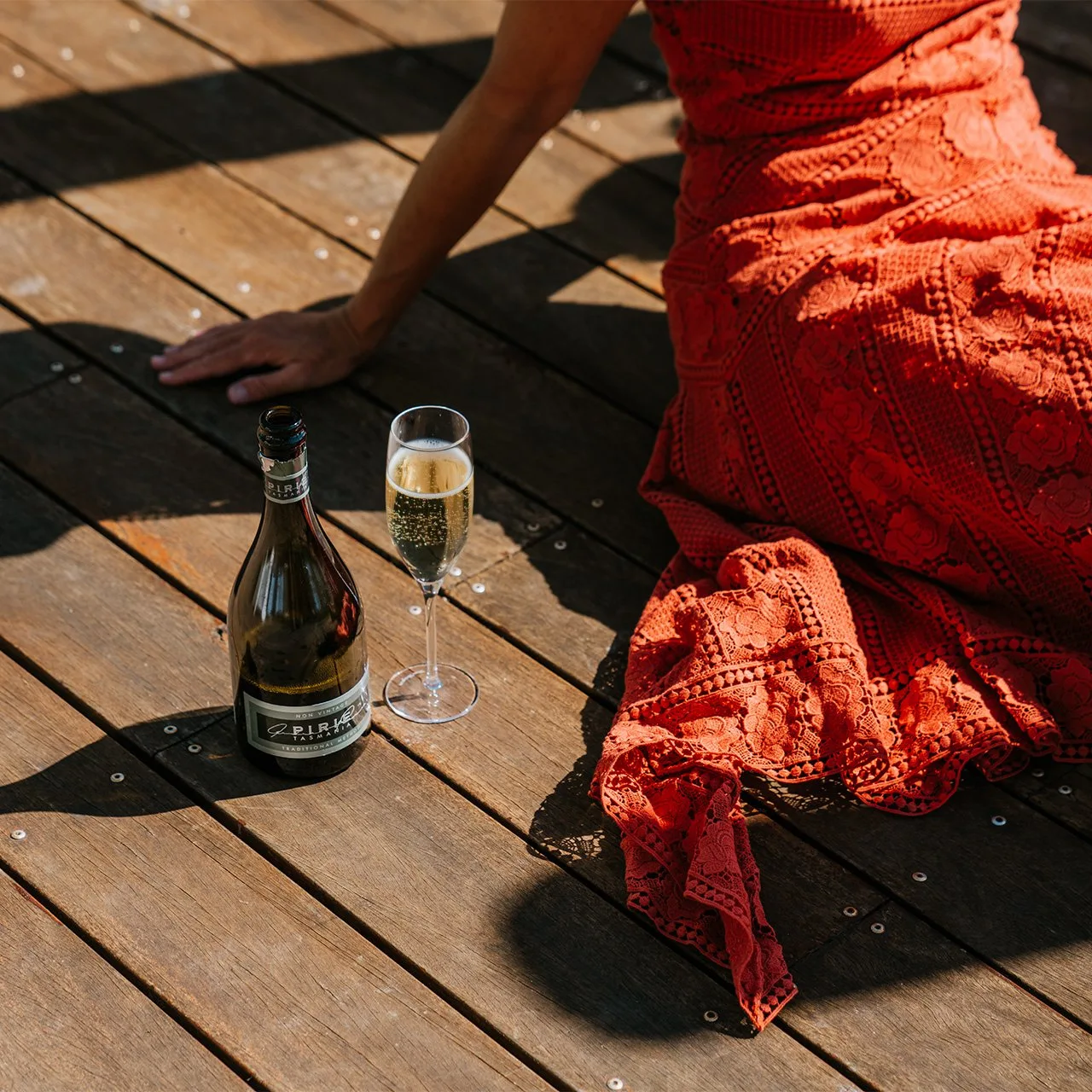
Visual stories
A close campaign image puts Pirie’s sparkling wine within an occasion, using sunlight, red lace and timber to establish the setting.
Read story ↗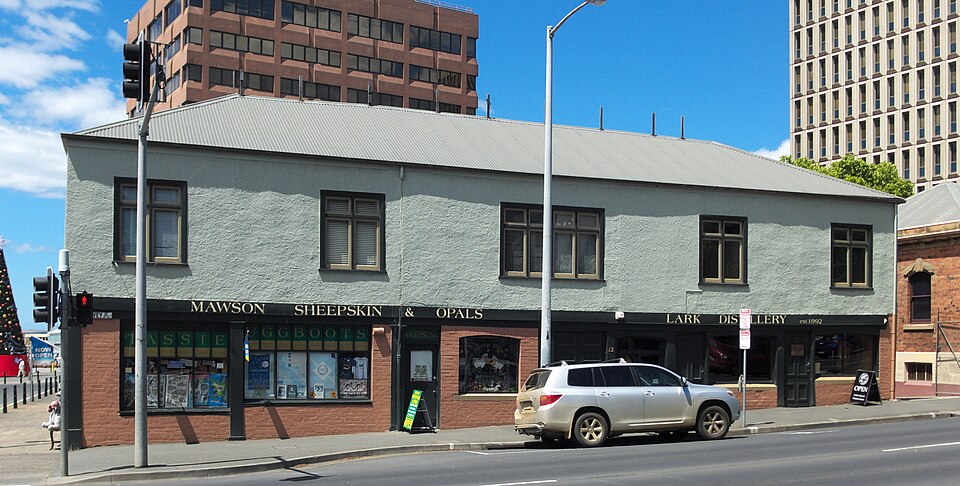
Producers
Cask history can explain part of a whisky’s identity. Ask specific questions about the expression in front of you rather than relying on a broad brand story.
Read story ↗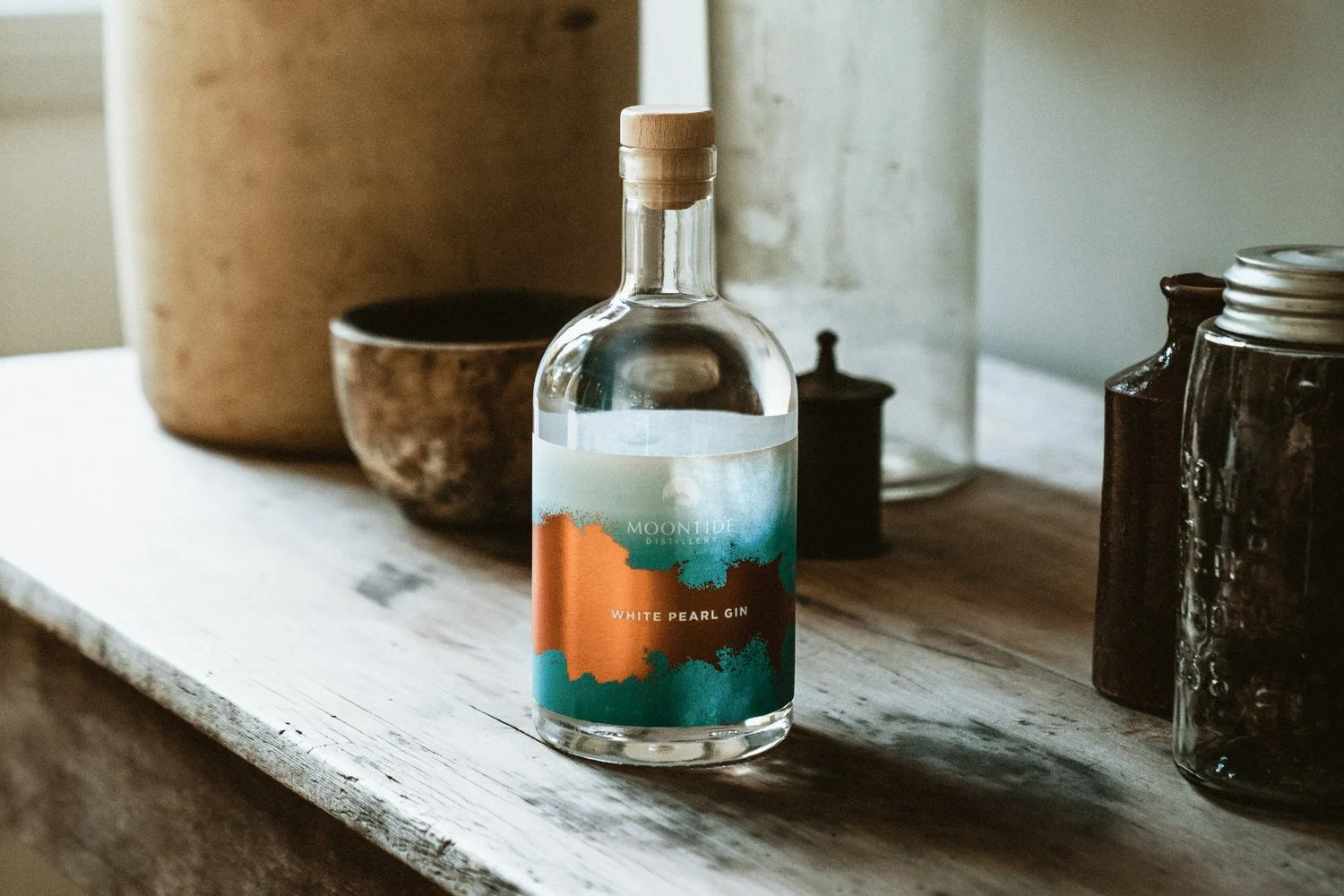
Producers
Moontide’s Kimberley story provides context for still-life photographs built around turquoise, warm earth tones and transparent glass.
Read story ↗
Wine guides
Three Victorian wine regions offer different landscapes, varieties and trip patterns. Choose the place around your interests, not a generic ranking.
Read story ↗Producers
La Cantina’s history connects a family property, a shift from tobacco to vines and the vineyard patterns visible in its photographic record.
Read story ↗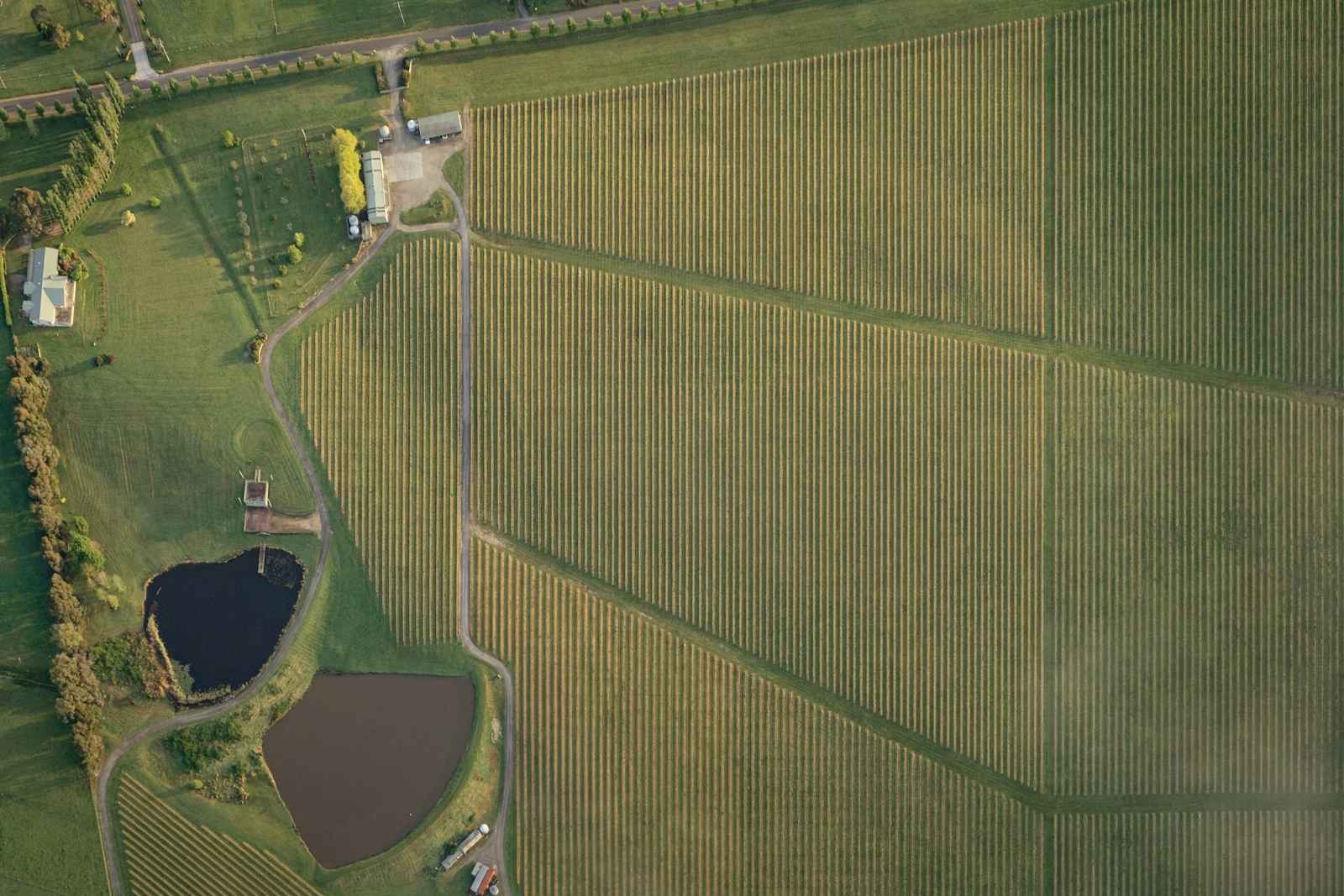
Producers
The Yarra Valley estate’s history connects a particular site with varieties, blends and a long-term approach to making wine.
Read story ↗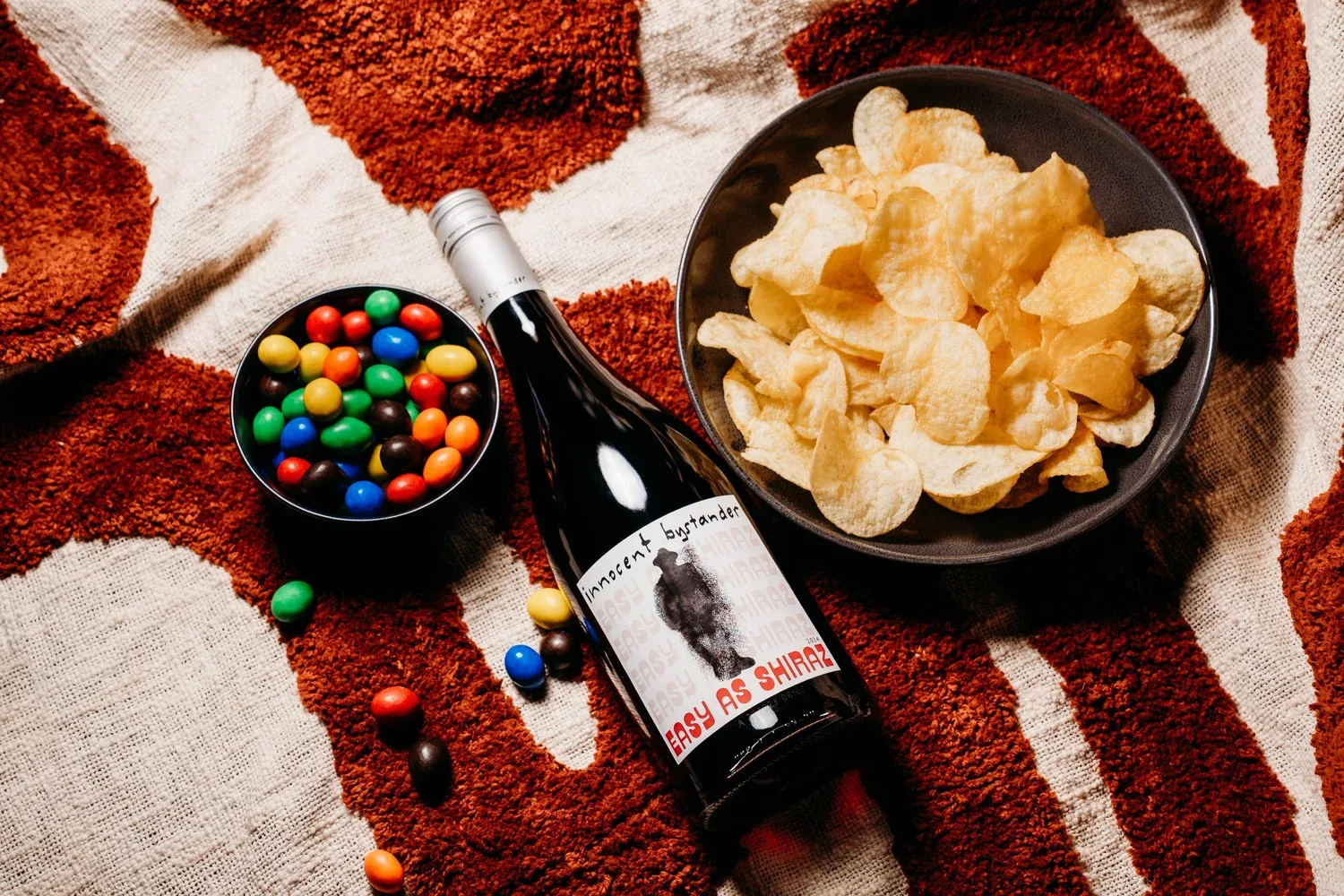
Visual stories
A patterned rug, snacks and strong colour place Innocent Bystander’s bottle imagery in an informal domestic setting.
Read story ↗
Producers
The company’s island identity and its Glen Huon dairy farm are distinct parts of a food story. Understanding both makes provenance more useful.
Read story ↗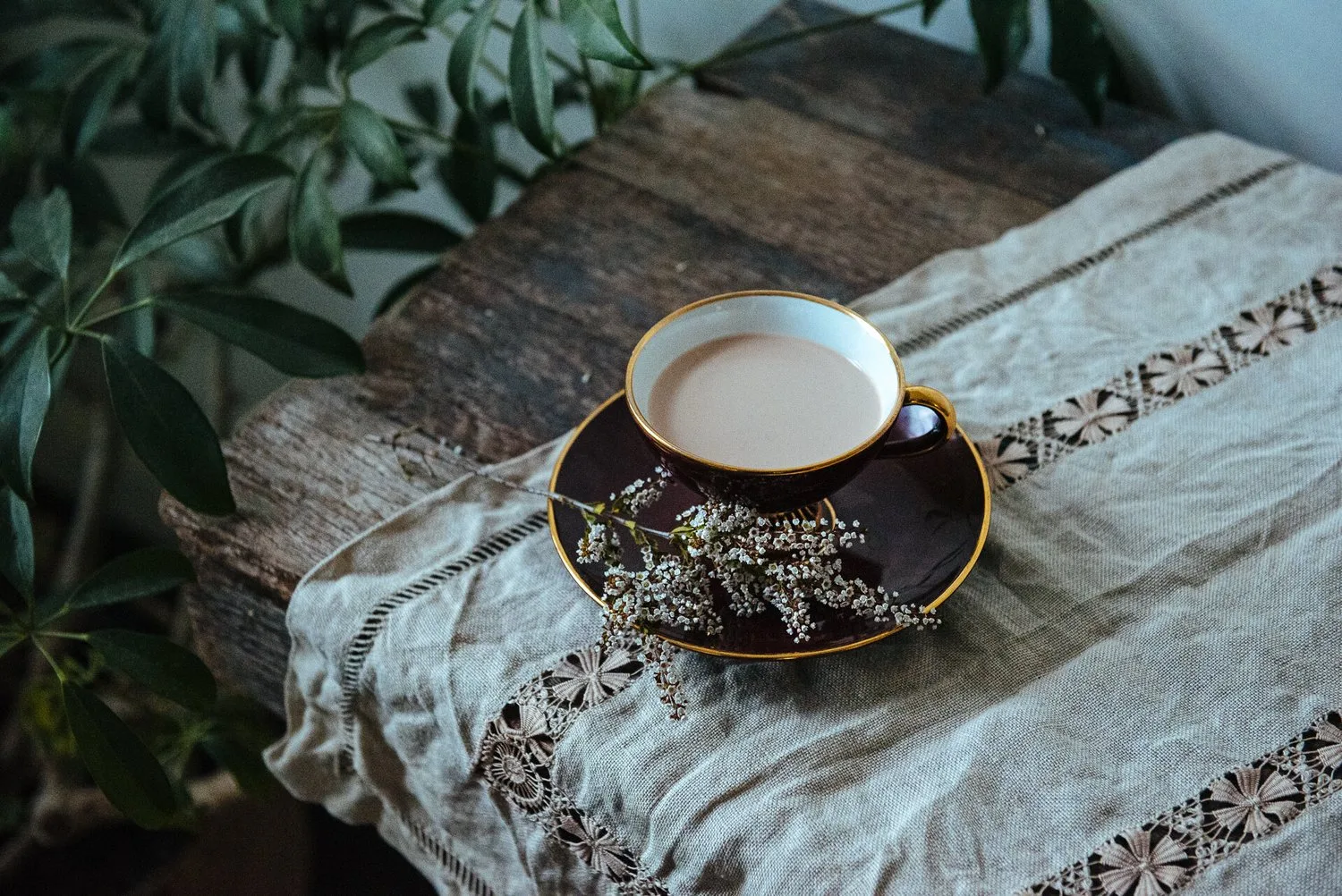
At the table
Cups, packaging and people give Holy Cow Chai’s photographic collection a clear social centre.
Read story ↗Wine guides
Heritage and contemporary architecture provide different starting points for a considered cellar-door visit in the Yarra Valley.
Read story ↗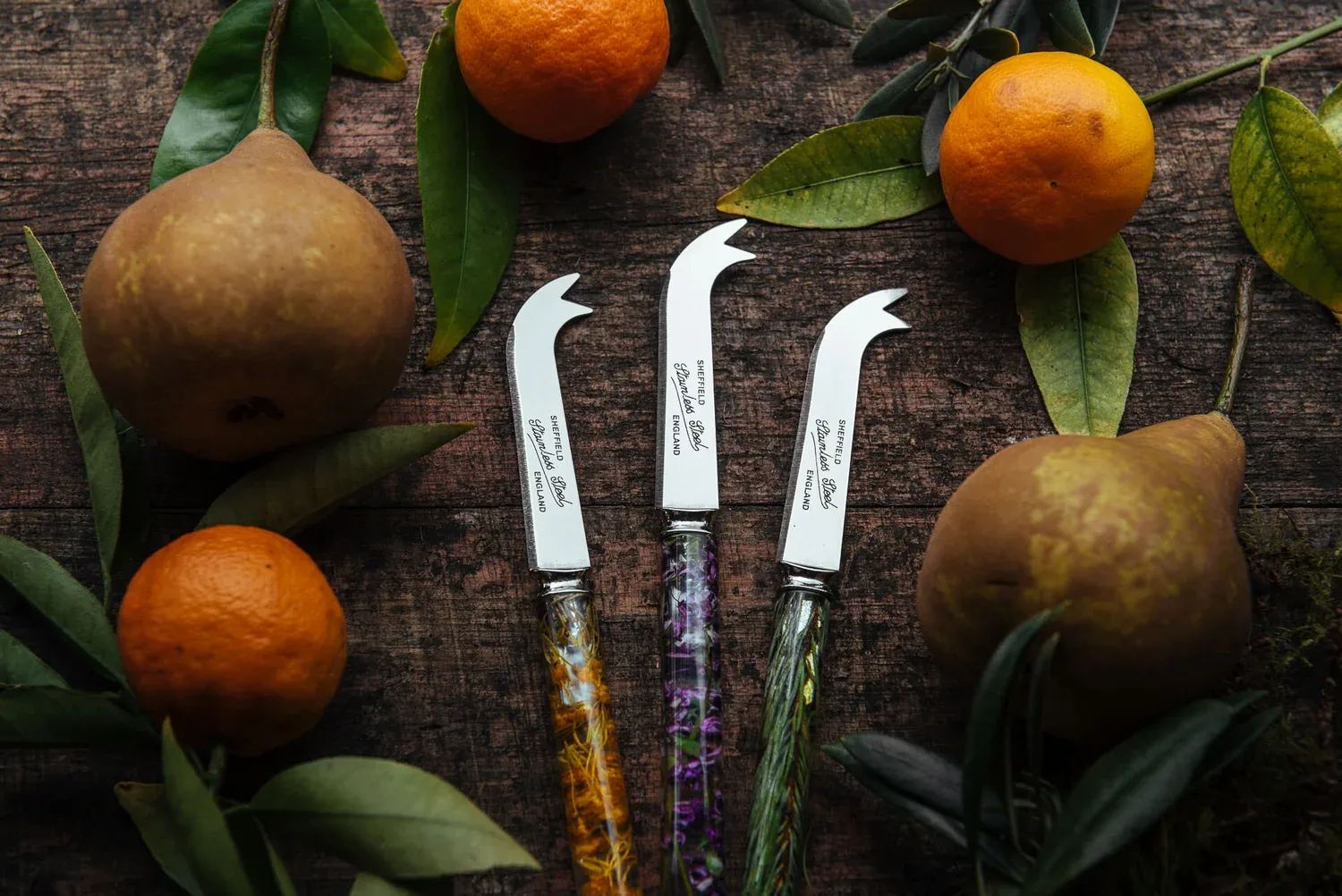
At the table
Serving pieces, fruit and shared tables give the Flora Collection a context beyond a conventional product display.
Read story ↗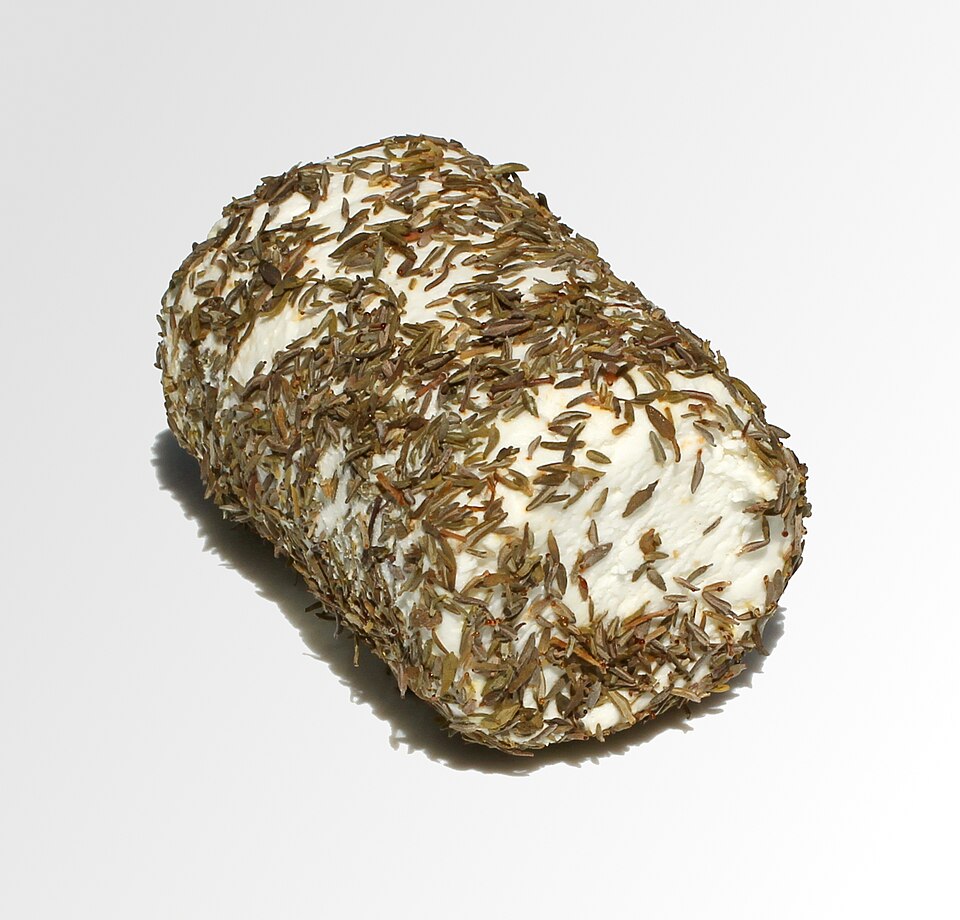
Producers
The Yering cheesemaker offers a useful way to think about provenance: where the milk comes from, where the cheese is made and what the finished style asks of it.
Read story ↗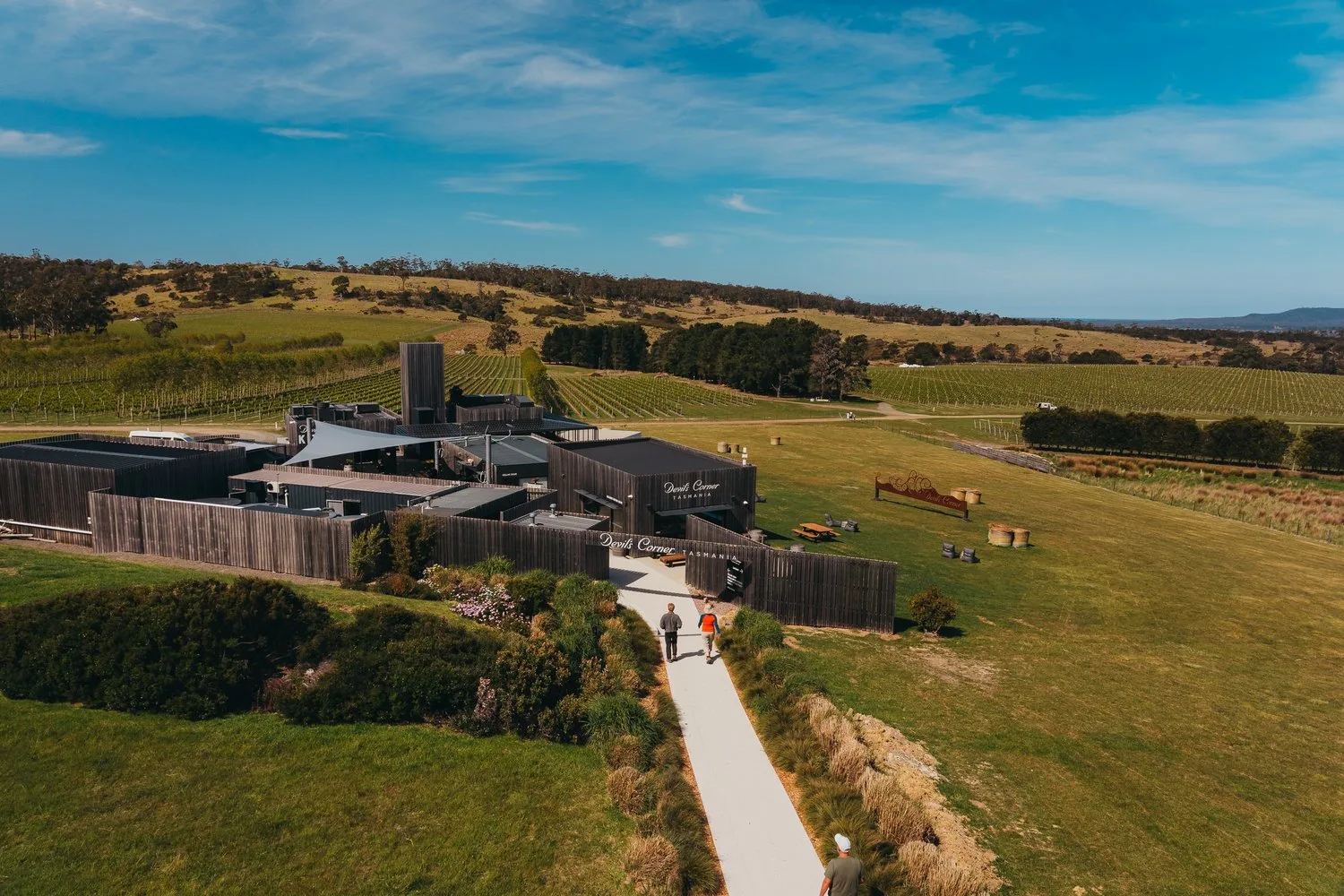
Wine stories
The Devil’s Corner project connects a broad Tasmanian landscape with the closer scale of the cellar door, bottle and table.
Read story ↗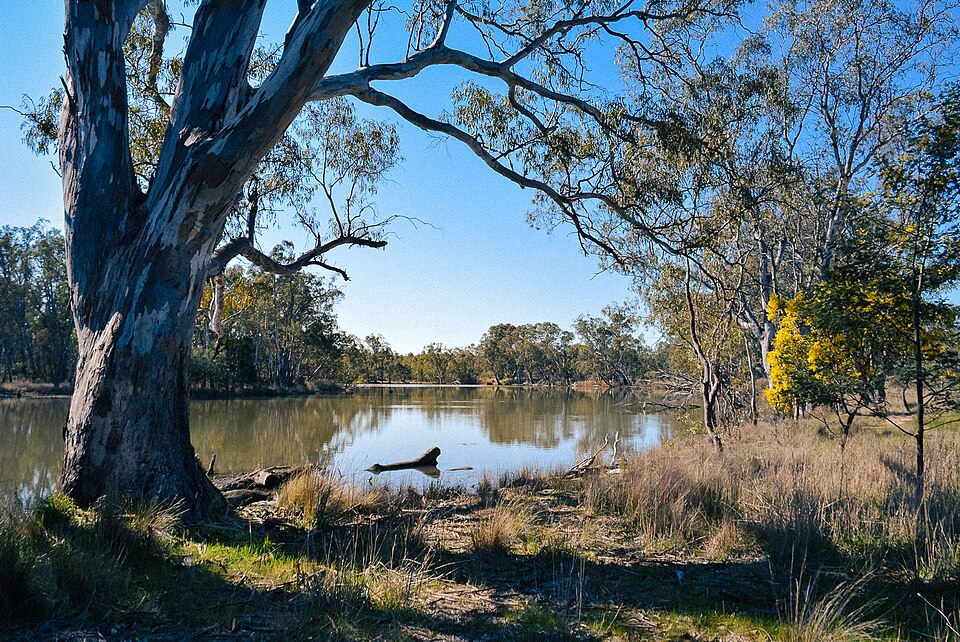
Wine stories
The winery’s billabong and walking landscape offer another way to understand a regional estate, beyond the tasting bench.
Read story ↗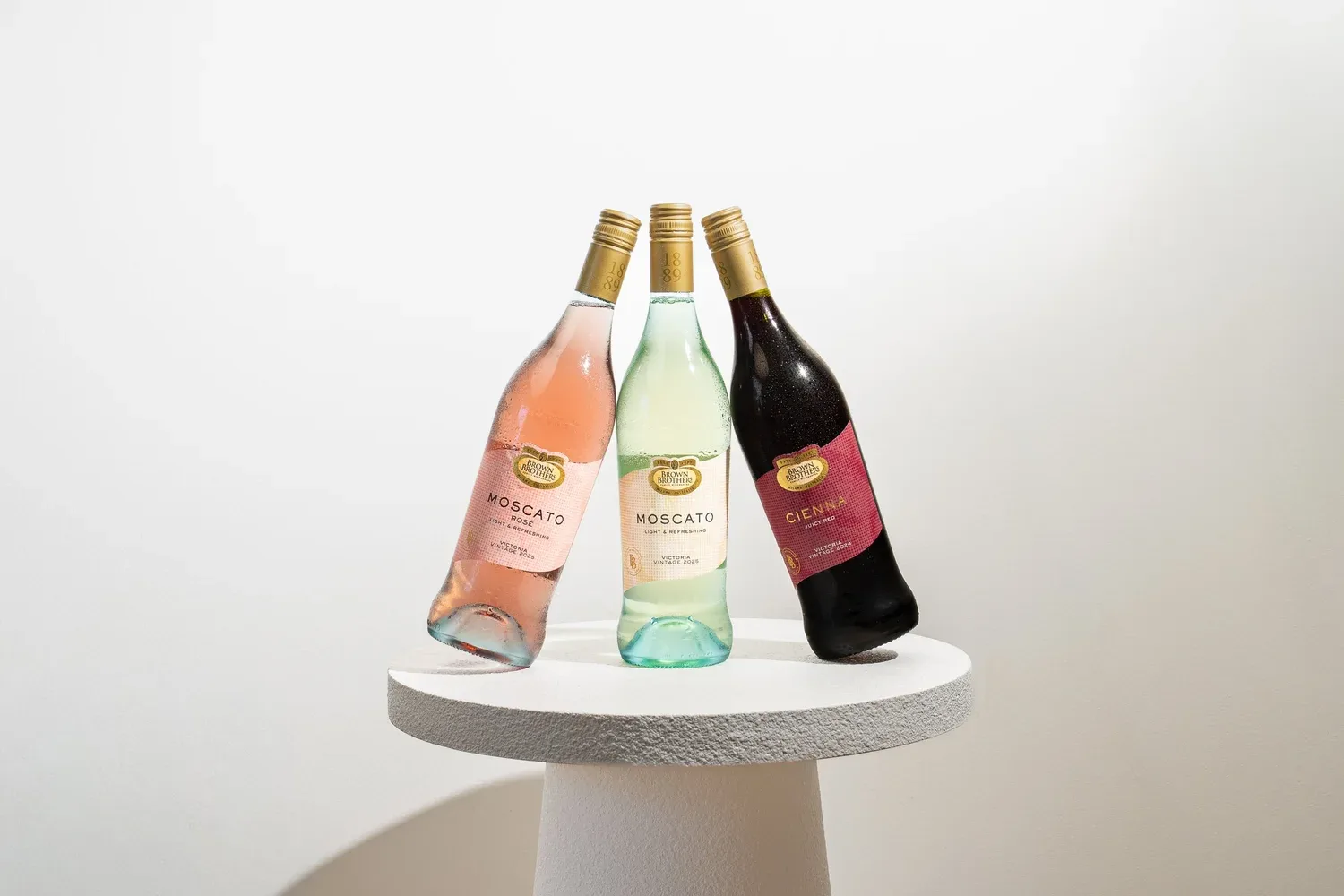
Wine stories
Brown Brothers’ history of experimentation provides context for a photographic collection that moves between classic bottles and more informal occasions.
Read story ↗Producers
The original grove is one part of Mount Zero’s history. Its present sourcing story is a network of growers, varieties and regions.
Read story ↗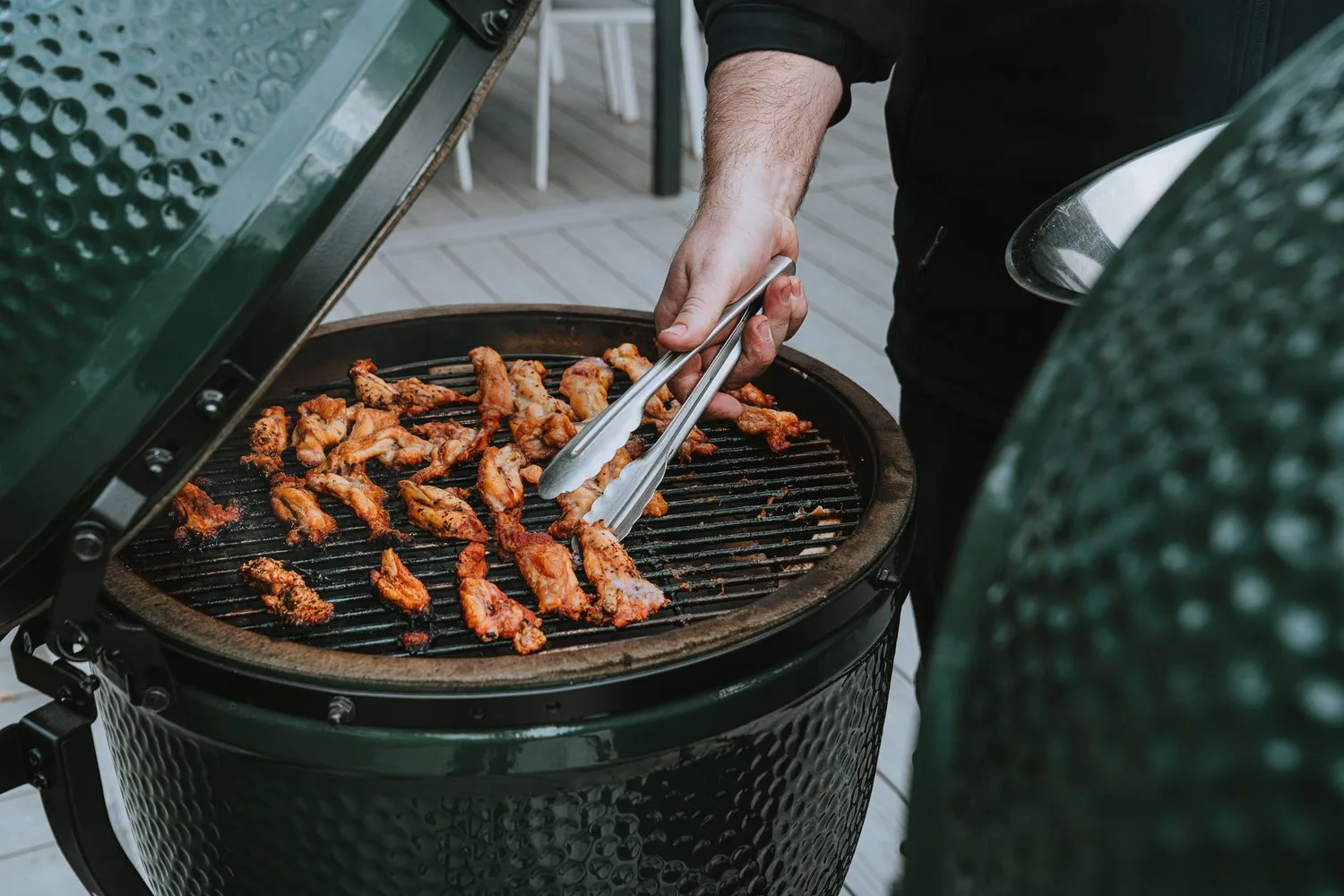
Outdoor cooking
A look at the Big Green Egg’s charcoal-fired design, its visible working parts and the photography that puts cooking at the centre.
Read story ↗
Wine guides
The production method helps explain a sparkling wine’s style, but it should begin a conversation rather than act as a quality ranking.
Read story ↗