Read beyond the original place name
Mount Zero began with the Seymour family’s olive-growing venture at the foot of the Grampians in 1993. Its current story describes working with growers across Victoria and South Australia. The company’s FAQ also records that the original grove was sold in July 2022.
That distinction matters. A brand can retain a place-based identity while its supply relationships evolve. Describing every product as coming from the original grove would flatten a more interesting and more accurate story.
Connect a product to a grower
The company names growing partners and associates them with particular oils, olives and citrus. That level of detail offers a useful starting point when comparing pantry products: which variety, which region and which producer are involved in the item you are buying?
Read the individual label as well as the broad company story. Certifications and origin information should be checked for the particular product rather than assumed to apply uniformly across an entire range. A named supplier is useful information; it is not a substitute for every other detail on the package.
Choose oil for an actual use
Before buying a large container, consider how quickly your household uses olive oil and which jobs it needs to perform. A finishing oil that you enjoy on bread may be used differently from the oil you reach for every day. Ask the seller to explain the distinctions within the current range.
Mount Zero’s storage guidance identifies heat, light and oxygen as factors affecting freshness. Keep the container closed and store it in a cool, dark place, following the label. An attractive bottle beside a hot stove may be a poor storage decision.
Make provenance part of ordinary cooking
Try keeping the label information with a short kitchen note: the oil or olive variety, the producer and a dish where you liked using it. This is more useful than remembering only that a product looked premium.
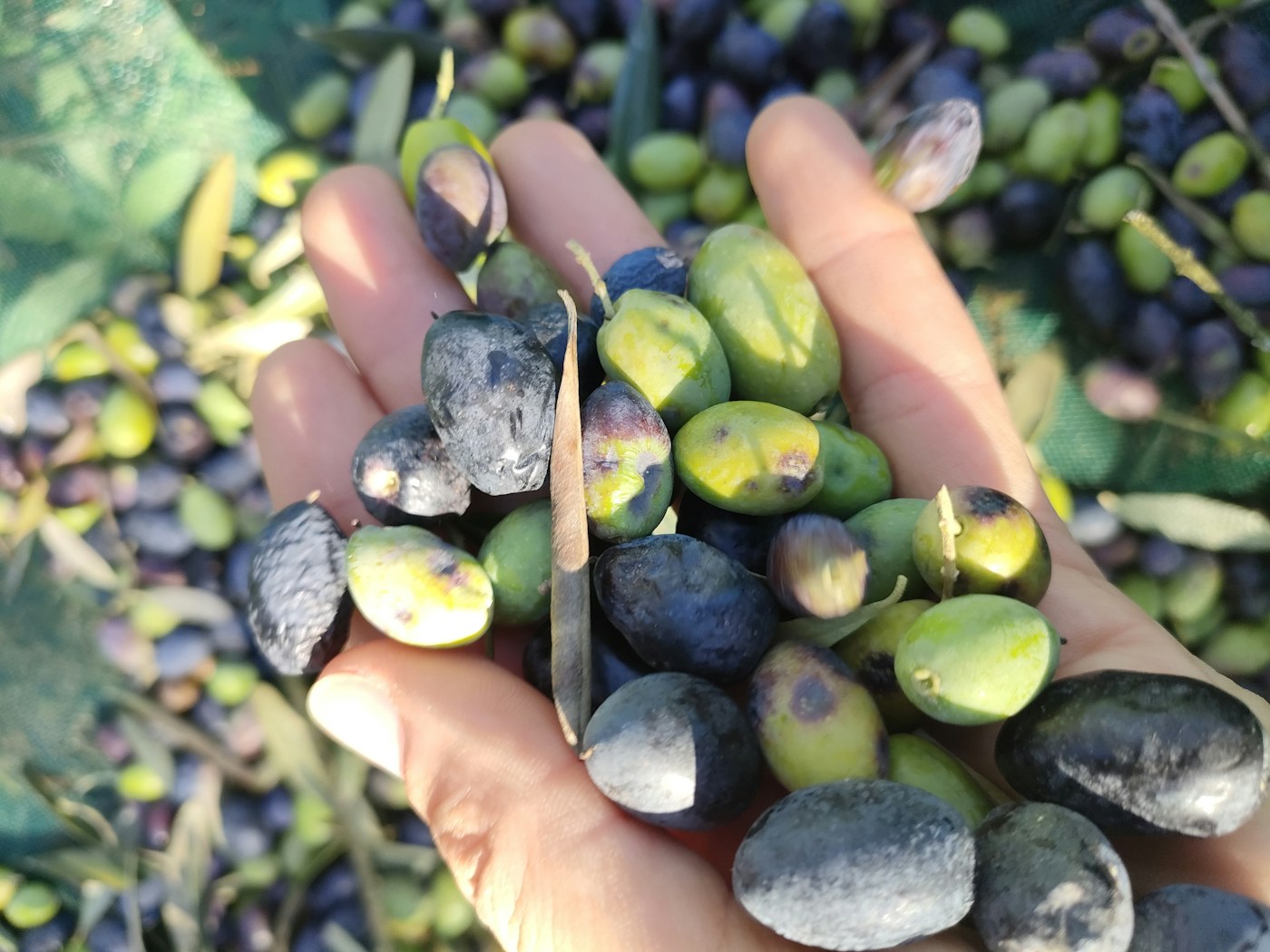
The harvest photograph here is illustrative and does not depict Mount Zero’s grove or suppliers. The documented sourcing story belongs in the text and linked producer information. Together, a clear label and an honest explanation can make an everyday pantry purchase more connected to the people and places behind it.