One variety, several useful questions
Pinot Noir on a label gives you a starting point, not a complete tasting note. The place where the fruit grew, the season and the choices made in the winery help explain why two bottles carrying the same grape name can feel quite different.
Wine Australia describes Pinot Noir as an early-budding, relatively early-ripening variety with delicate skins. Its Australian account highlights regions where altitude or ocean influence provides cooling, including the Yarra Valley, Mornington Peninsula, Tasmania and Adelaide Hills.
Those broad patterns help you form questions. They should not become a rule that every bottle from a region must taste alike.
Put the vineyard on the map
Read the region and any named vineyard before relying on the adjectives on the back label. Ask whether the fruit comes from one site or several and whether the producer provides information about elevation, aspect or the growing season.
Wine Australia notes the range of Yarra Valley expressions associated with different elevations and aspects, and the influence of Bass Strait on the Mornington Peninsula. Our guide to Victorian wine regions provides a wider starting point for those comparisons.
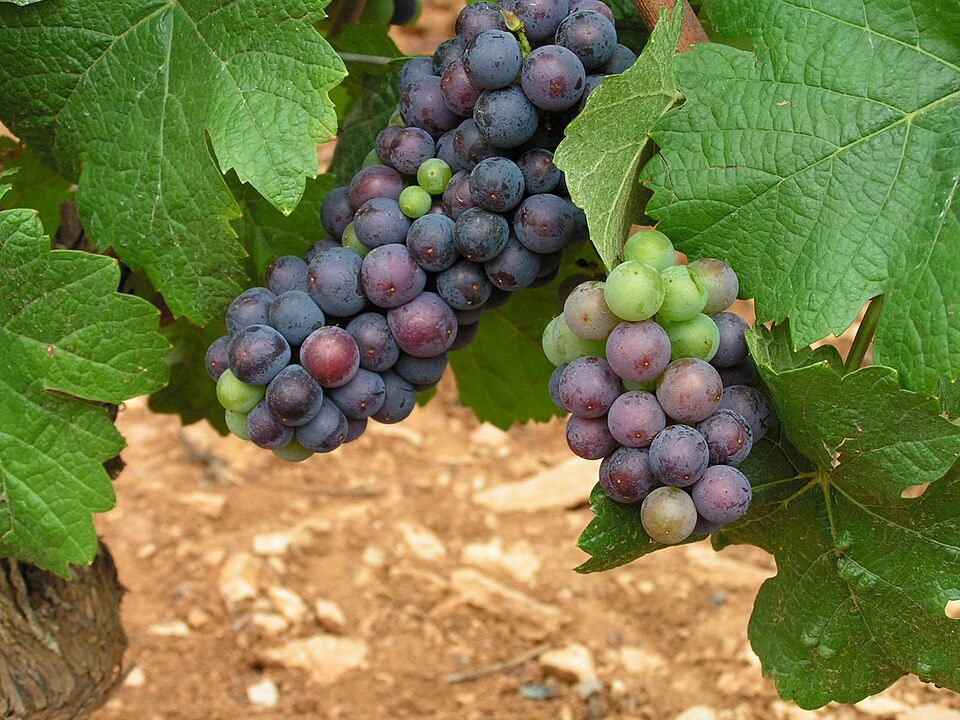
The photograph with this article shows Pinot Noir grapes in Volnay, France. It illustrates the variety and is not a photograph of one of the Australian vineyards discussed here.
Ask what happened after picking
WSET’s account of North American Pinot Noir discusses choices including whole-cluster fermentation, oak maturation and blending vineyard parcels. These are useful subjects to ask a producer about, but they do not provide a shortcut to predicting exactly how a wine will taste.
Choose one unfamiliar term from a producer’s technical note and ask what it meant for that wine. For example, if whole bunches were included, what was the winemaker seeking? If several parcels were blended, what did each contribute?
Keep the explanation separate from your own impression. A production detail may help you understand a sensation without being its only possible cause.
Compare two wines without turning it into an exam
If you want to explore the variety, choose two wines with a clear comparison in mind: different sites from one producer, or two regions at a similar price. Keep the glasses and serving conditions as consistent as practical.
Write a few plain observations before reading the producer’s tasting notes. Which feels lighter or fuller? Which seems fresher? What changes as it sits in the glass? Use words you understand rather than searching for an impressive flavour description.
This is a suggested comparison method, not a tasting report. A preference is useful information even when it differs from a published note.
Carry one detail into the next purchase
Keep the producer, wine name, vintage and the reason you liked it. “Pinot I enjoyed with dinner” is difficult to repeat; a label photograph and a sentence about texture or freshness are more useful.
Pinot Noir also appears in sparkling wine. Our explanation of traditional and tank methods shows why the production method deserves attention alongside the grape. Each new bottle can answer one question and leave you with another, without requiring a definitive verdict on the entire variety.