A winery landscape is more than rows of vines
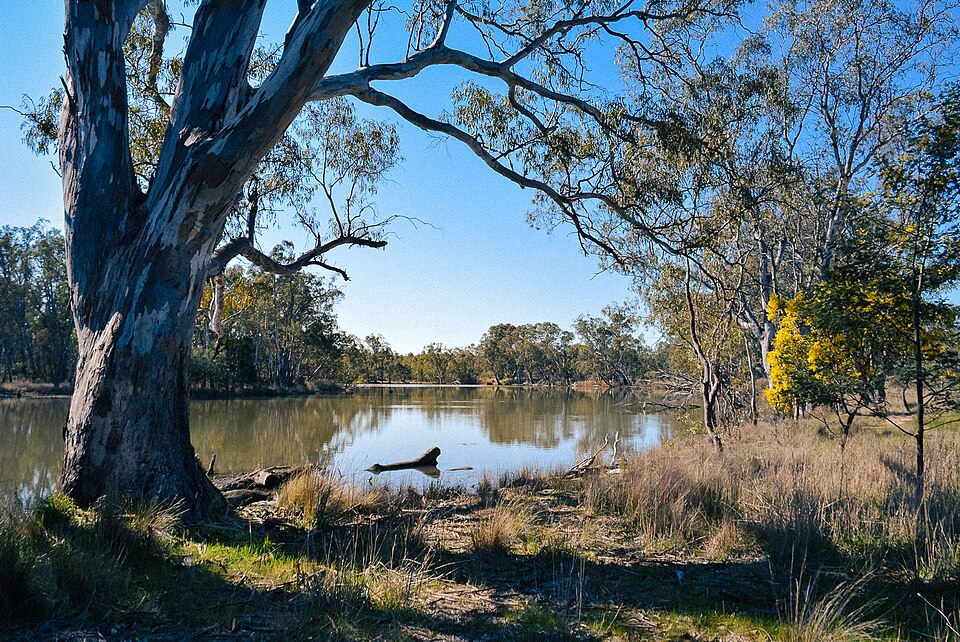
At Tahbilk, the wetland landscape provides a different subject from the cellar door. The estate’s own account describes regeneration work beginning in 1995, followed by paths, boardwalks and bird hides before the eco-trail area opened in 2005.
Those dates matter because a landscape presented to visitors can be the result of sustained work. The billabong photograph accompanying this article shows water, trees and understorey in a particular moment. It cannot, by itself, measure ecological health or establish the success of a conservation program.
Read the conservation claims carefully
Tahbilk describes ongoing habitat work and partnerships for research and monitoring. Its account includes attention to native species and the management of introduced plants. Treat these as the estate’s documented activities, and follow the linked information when you want more detail.
A useful question at any winery is what a broad environmental statement refers to. Is it a planting program, a measured operational change, a habitat project or a future target? Keeping those categories distinct makes the discussion more meaningful than applying a single green label to the whole property.
Give the walk its own time
If you plan to explore, check current trail access and conditions with Tahbilk before arriving. A tasting reservation and a walk are separate parts of the day. Choose footwear and timing for the actual conditions rather than treating the landscape as a quick extension of an indoor visit.
Stay on the permitted routes and let wildlife remain at a distance. A quiet pause can reveal more than a hurried search for a particular animal. Do not expect a photograph or a species list to guarantee what will be visible on your visit.
Bring the two experiences together
After the walk, the winery can be considered as part of a wider property: cultivated ground, buildings, water and areas managed for other purposes. That broader view is useful even if the visit’s original focus was wine.
Consult the estate directly for current cellar-door arrangements, food options and opening information. The point is not to turn a relaxed day into a technical audit. It is to leave with a more precise sense of the place, including the land that does not appear on a bottle label.