Separate the three parts of provenance
A cheese can be made in one place using milk from nearby farms or another district. That does not make its story less local; it makes the detail worth reading. Yarra Valley Dairy describes production on its Yering farm, cow’s milk supplied by neighbouring dairy farms and goat’s milk from the Mansfield region.
These are different kinds of location information. Naming them clearly helps a customer understand the product without assuming that every animal supplying the milk is kept beside the cheese shop.
Source: Yarra Valley Dairy: history, milk sourcing and production.
A soft-cheese history
The dairy traces its first cheese to a surplus of cow’s milk in 1994 and a ricotta-style product. Its account links that beginning to Persian Fetta and a wider range of predominantly fresh, soft cheeses. The production story includes making, packing and wrapping by hand.
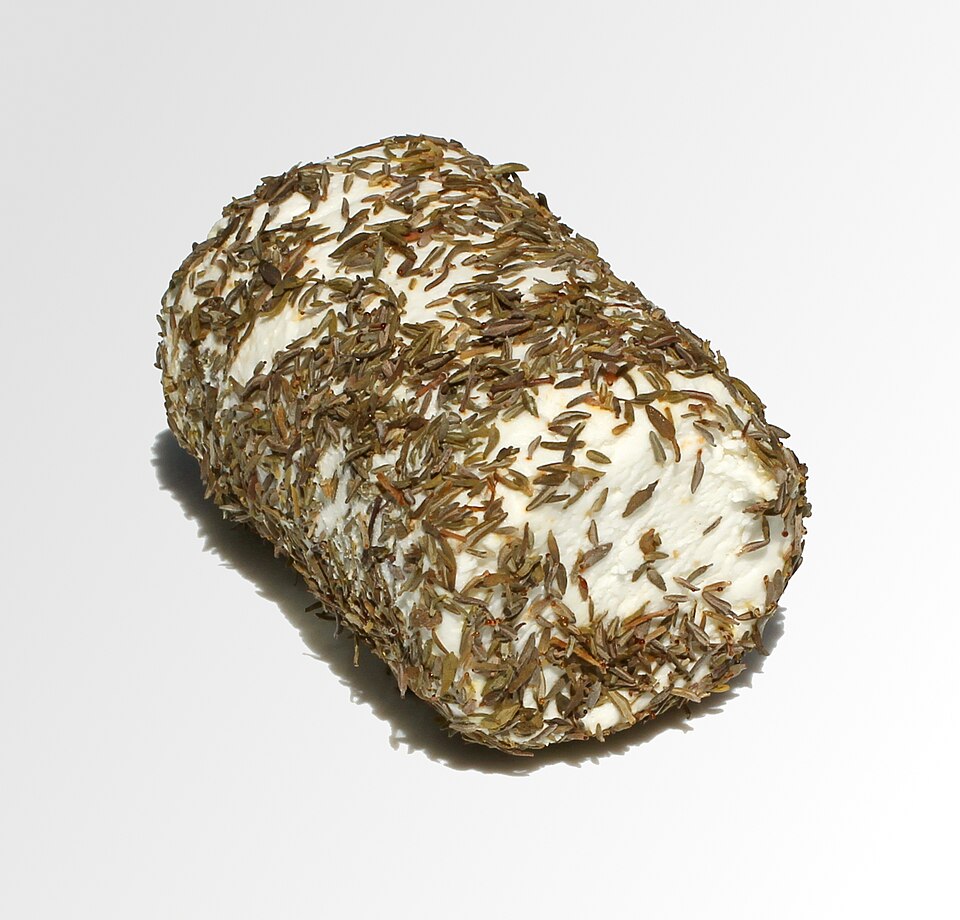
Use that history as context, then read the details of the specific cheese. Milk type, a marinade and the intended style can each change how you might serve it. A broad label such as “artisan” cannot supply all of that information on its own.
Buy for the meal you are making
Tell the cheesemonger how you plan to use the cheese. Something to crumble into a salad, spread on bread or serve as a distinct course may call for a different texture. Ask whether the producer has a suggested use rather than assuming the best-known product is right for every dish.
Keep accompaniments simple when you want to understand the cheese itself. If comparing two styles, identify them before serving and give each enough space to be recognised. A crowded board can look generous while making the differences harder to notice.
Make the visit practical
Consult the dairy’s current visitor page for the shop, food offering and any booking arrangements. Ask about transport and storage for the products you buy, especially if the visit is one stop in a longer day.
The value of visiting a producer is the chance to connect a familiar package with a more precise explanation. Where did the milk come from? What happens here? What makes this cheese suitable for the meal you have in mind? Those questions give the regional setting a concrete role in the story.