Two stories behind the bottle
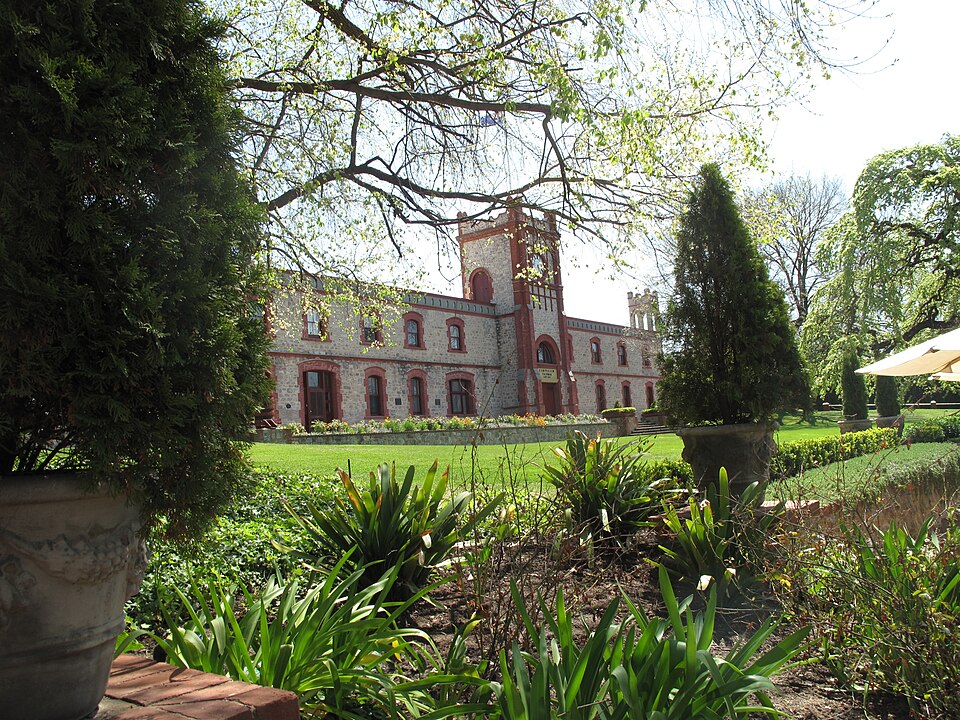
A winery can be understood through more than its tasting list. At Yalumba, two operations make that particularly clear: the cooperage, where barrels are made, and the nursery, where young vines are grown and supplied to the wine industry.
They point in different directions along the production process. One concerns the vessels used after grapes arrive at the winery; the other reaches back to choices made before a vineyard produces a crop. Together they offer a more detailed way into the estate than a general description of heritage and hospitality.
This is a guide based on Yalumba’s published information, not a report of a hosted tour or a tasting of its current wines.
The cooperage makes oak a visible decision
Yalumba traces its coopering tradition to around 1890. Its account describes selecting and seasoning oak, shaping the staves and toasting the assembled barrels. The winery says it uses a slow, medium toast to give its winemakers control over the oak contribution.
The useful question is what a barrel is intended to do in a particular wine. Ask about the choice of oak, the age of the barrel and the purpose of the toast. A working object that initially looks like a simple container becomes easier to understand when its maker explains the decisions behind it.
If you join a tour, distinguish a demonstration from the complete production sequence. What is happening during the visit may represent one stage in a much longer process. The official experience description is the place to confirm what is included.
The nursery moves the story back into the vineyard
Yalumba established its nursery in 1975, initially to support its own vineyards. The winery describes a facility that now grows and supplies grafted grapevines to Australian growers and evaluates new and emerging varieties.
That opens another set of questions: why a grower selects particular planting material, how it suits a site and how long the decision will influence the vineyard. Ask how the winery connects those choices with the wines it makes, rather than assuming the grape name alone explains everything in the glass.
The nursery’s role is background to the estate’s wine story. It should not be read as a promise of public nursery access. Confirm any proposed visit directly with the relevant operator.
Choose the experience before filling the day
Yalumba currently lists a cooperage tour among its visitor experiences. Compare the actual inclusions, availability and duration with a standard tasting, then book the option that matches your interests. Check transport and allow enough time to arrive without rushing.
Bring one or two questions rather than trying to cover every technical term. A question about a barrel you can see or a wine’s vineyard source will usually produce a more useful conversation than asking for the whole history at once.
For another perspective on the connection between site and bottle, see our Mount Mary vineyard story. Our guide to reading a whisky’s cask story follows a related interest in vessels, while involving a different drink and production process. Keep the distinction clear and let each producer explain its own decisions.